Mountain Bike Trail System Closed For The Season.
Experience the thrill of mountain biking at Mount Kato! Our diverse terrain and meticulously maintained trails offer an exhilarating adventure for riders of all levels, from beginners to seasoned pros.
Explore Our Trails

Over 7 Miles of Trails
Discover a network of wooded singletrack, flowy descents, and challenging climbs that wind through scenic landscapes.

Novice to Expert
Whether you're just starting out or seeking a serious challenge, our trails cater to all abilities.

Why Choose Mount Kato for Riding?

Well-Maintained Trails
Our dedicated trail crew ensures a smooth and enjoyable ride.

Family-Friendly Atmosphere
We offer trails for riders of all ages, making Mount Kato a great destination for a family outing.

Bike The Trails At Mount Kato

Trail Hours
Sunrise to Sunset daily

Trail Fees
$5.00 Payment drop off available or $5.25 with PayPal.
Gear Up & Get Ready To Ride
Whether you're a seasoned rider or new to the sport, Mount Kato Mountain Biking offers an unforgettable experience. Check our trail map, grab your gear, and come shred the slopes with us this spring, summer, or fall!
80% Wooded Single Track.
Helmets are required on trails at all times

Leave No Trace Principles
Basics:
- Know the regulations and special concerns for the area you’ll visit.
- Prepare for extreme weather, hazards, and emergencies.
- Schedule your trip to avoid times of high use.
- Visit in small groups. Split larger parties into smaller groups.
- Repackage food to minimize waste.
- Use a map and compass to eliminate the use of rock cairns, flagging, or marking paint.
Basics:
- Durable surfaces include established trails, campsites, rock, gravel, and dry grasses or snow.
- Protect riparian areas by camping at least 200 feet from lakes and streams.
- Good campsites are found, not made. Altering a site is not necessary.
- Concentrate use on existing trails and campsites.
- Walk single file in the middle of the trail, even when wet or muddy.
- Keep campsites small. Focus activity in areas where vegetation is absent.
- Disperse use to prevent the creation of campsites and trails.
- Avoid places where impacts are just beginning.
The Basics:
- Pack it in, pack it out. Inspect your campsite and rest areas for trash or spilled food. Pack out all trash, leftover food, and litter. Burning trash is never recommended.
- Deposit solid human waste in catholes dug 6-8 inches deep at least 200 feet from water, camp, and trails. Cover and disguise the cathole when finished.
- Bury toilet paper deep in a cathole or pack the toilet paper out along with hygiene products.
- To wash yourself or your dishes, carry water 200 feet away from streams or lakes and use small amounts of biodegradable soap. Scatter strained dishwater.
The Basics:
- Preserve the past: observe cultural or historic structures and artifacts, but do not touch them.
- Leave rocks, plants, and other natural objects as you find them.
- Avoid introducing or transporting non-native species.
- Do not build structures, furniture, or dig trenches.
The Basics:
- Campfires can cause lasting impacts on the environment. Use a lightweight stove for cooking and enjoy a candle lantern for light.
- Use established fire rings, pans, or mound fires where fires are permitted.
- Keep fires small. Use only sticks from the ground that can be broken by hand.
- Burn all wood and coals to ash, put out campfires completely, then scatter cool ashes.
The Basics:
- Observe wildlife from a distance. Do not follow or approach them.
- Never feed animals. Feeding wildlife damages their health, alters natural behaviors, and exposes them to predators and other dangers.
- Control pets at all times, or leave them at home.
- Avoid wildlife during sensitive times: mating, nesting, raising young, or winter.
The Basics:
- Respect others and protect the quality of their experience.
- Be courteous. Yield to other users on the trail.
- Greet riders and ask which side of the trail to move to when encountering pack stock.
- Take breaks and camp away from trails and others.
- Let nature’s sounds prevail. Avoid loud voices and noises.
Code Of Conduct:
We want you to achieve maximum fun in your bicycling experience. To preserve both your own safety and the fragile environment, it’s important to follow certain guidelines.
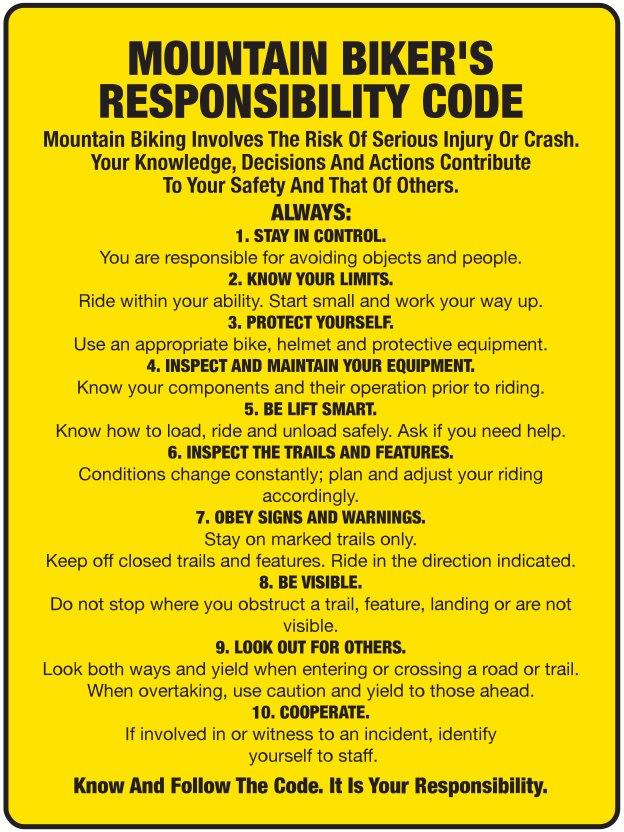
Be aware that your safety is directly affected by your judgment. Know your ability and ride within it. When in doubt walk. Approved bicycle helmets are required. Eye protection, enclosed footwear and water are highly recommended. Ride only on designated trails to avoid trampling. vegetation and minimize potential erosion. Ride in control and be prepared to stop at any time. Slow down if you do not have clear vision of the trail in front of you. Portions of the trail may require vehicular traffic. It is not advisable to ride alone as our trails are not continuously patrolled or cleared at the end of the day. Never ride under the influence of drugs or alcohol. Smoking is strictly prohibited on trails. Make your presence known and slow down when approaching or overtaking another rider. Do not stop where you obstruct a trail or where you are not visible to other riders. Pets are not permitted on trails. Let your experience and ability determine your route and travel speed.
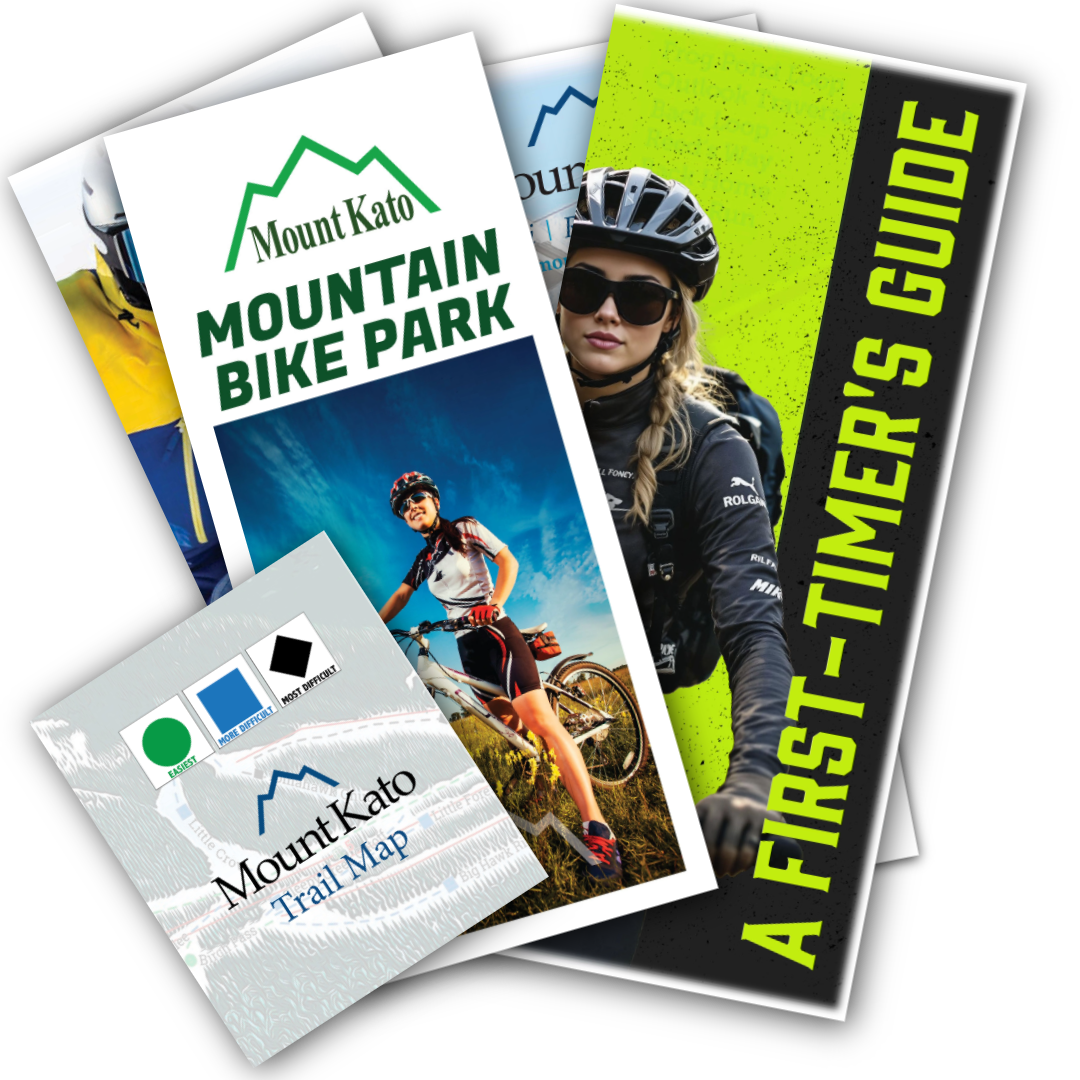
Brochure & Map PDF Downloads
Print them out or keep them on your device