How to Conquer Mount Kato:
Your First-Timer’s Guide to Mountain Biking
Have you been eyeing those mountain bike trails but feel a bit intimidated? Mount Kato isn’t just for winter sports! We’re transforming into your go-to summer destination for outdoor adventure, and our trails are perfect for both seasoned riders and eager beginners looking for an authentic mountain experience. This guide will help you prepare for your first day on our mountain bike trails, ensuring a fun and safe ride.
1. Gear Up Right: Essential Equipment for the Trails
Getting the right gear is fundamental for a safe and enjoyable first mountain biking experience.
-
The Bike: For your first ride, any sturdy mountain bike will do, but as you progress, you might consider the differences between hardtail (front suspension only) and full-suspension bikes (front and rear suspension). Hardtails are great for less technical trails and generally more affordable, while full-suspension bikes offer more comfort and control on rougher terrain.
-
Safety Gear is Non-Negotiable:
-
Helmet: This is the single most important piece of safety equipment. Always wear a properly fitted helmet.
-
Gloves: Protect your hands from scrapes and improve grip.
-
Knee and Elbow Pads: Especially for beginners, these can save you from minor injuries during falls.
-
Eye Protection: Goggles or sunglasses protect your eyes from dust, debris, and sun.
-
Proper Footwear: Flat, grippy shoes (like skate shoes or specific mountain biking shoes) are ideal for pedaling and maintaining contact with your pedals.
-
2. Know Your Trails: Navigating Mount Kato’s Terrain
Mount Kato offers diverse terrain, from flowy cross-country routes to more technical downhill sections. As a first-timer, focus on the easier, beginner-friendly routes.
-
Trail Difficulty: Before you head out, familiarize yourself with our trail map. Look for trails marked green (easiest) or blue (intermediate). These will have gentler slopes, fewer obstacles, and wider paths.
-
Scenic Spots: Even on easier trails, you’ll find beautiful views. Take your time, enjoy the natural surroundings, and pause at designated scenic spots.
3. Basic Skills & Etiquette: Ride Smart, Ride Safe
Mastering a few basic skills will greatly enhance your enjoyment and safety. More importantly, understanding trail etiquette ensures a positive experience for everyone on the mountain.
-
Fundamental Riding Skills:
-
Body Position: Stay loose and centered over your bike, allowing it to move independently underneath you, especially on descents.
-
Braking: Learn to use both front and rear brakes smoothly and in moderation. The front brake provides most of the stopping power, but improper use can cause you to go over the handlebars. Practice feathering both brakes.
-
Looking Ahead: Keep your eyes focused several feet down the trail, not directly at your front wheel. This helps you anticipate obstacles and choose your line.
-
Cornering: Lean your bike into the turn, but keep your body relatively upright.
-
-
Trail Etiquette:
-
Stay on Marked Trails: This is crucial for your safety and for preserving the natural environment. Do not cut switchbacks or create new trails.
-
Control Your Speed: Ride within your abilities and be prepared to stop or slow down at any moment.
-
Be Mindful of Others: Expect other bikers.
-
Leave No Trace: Pack out everything you pack in.
-
-
The NSAA MTB Responsibility Code:
-
The NSAA MTB Responsibility Code is a widely recognized set of guidelines for mountain biking safety and etiquette. This code aligns with the principles of safety, respecting others, and preserving the environment, which are crucial for any recreational outdoor activity.
-
Key tenets often include:
-
Ride Smart: Know your ability and ride within it.
-
Stay in Control: Be able to stop or avoid other people or objects.
-
Respect the Trail: Ride only on designated trails and avoid damaging natural features.
-
Protect the Environment: Pack out what you pack in, and avoid disturbing wildlife.
-
Yield to Others: Be courteous and alert to others on the trail.
-
Don’t Block Trails: When stopping, move off the trail.
-
Plan Ahead: Know the trail, carry water, and be prepared for changing conditions.
-
-
4. What to Bring: Prepare for Your Adventure
A little preparation goes a long way for a comfortable and safe ride.
-
Hydration: Bring plenty of water, especially on warmer days.
-
Snacks: Energy bars or fruit can help keep you fueled.
-
Basic Repair Kit: A spare tube, tire levers, and a mini-pump are good to have for unexpected flats.
-
Phone: For emergencies or navigation, ensure it’s fully charged.
-
Sunscreen and Insect Repellent: Protect yourself from the elements.
Ready to hit the trails? Discover the thrill of mountain biking right here in Mankato! Plan your visit to Mount Kato today and check out our mountain biking hours and trail map online for an unforgettable summer ride.
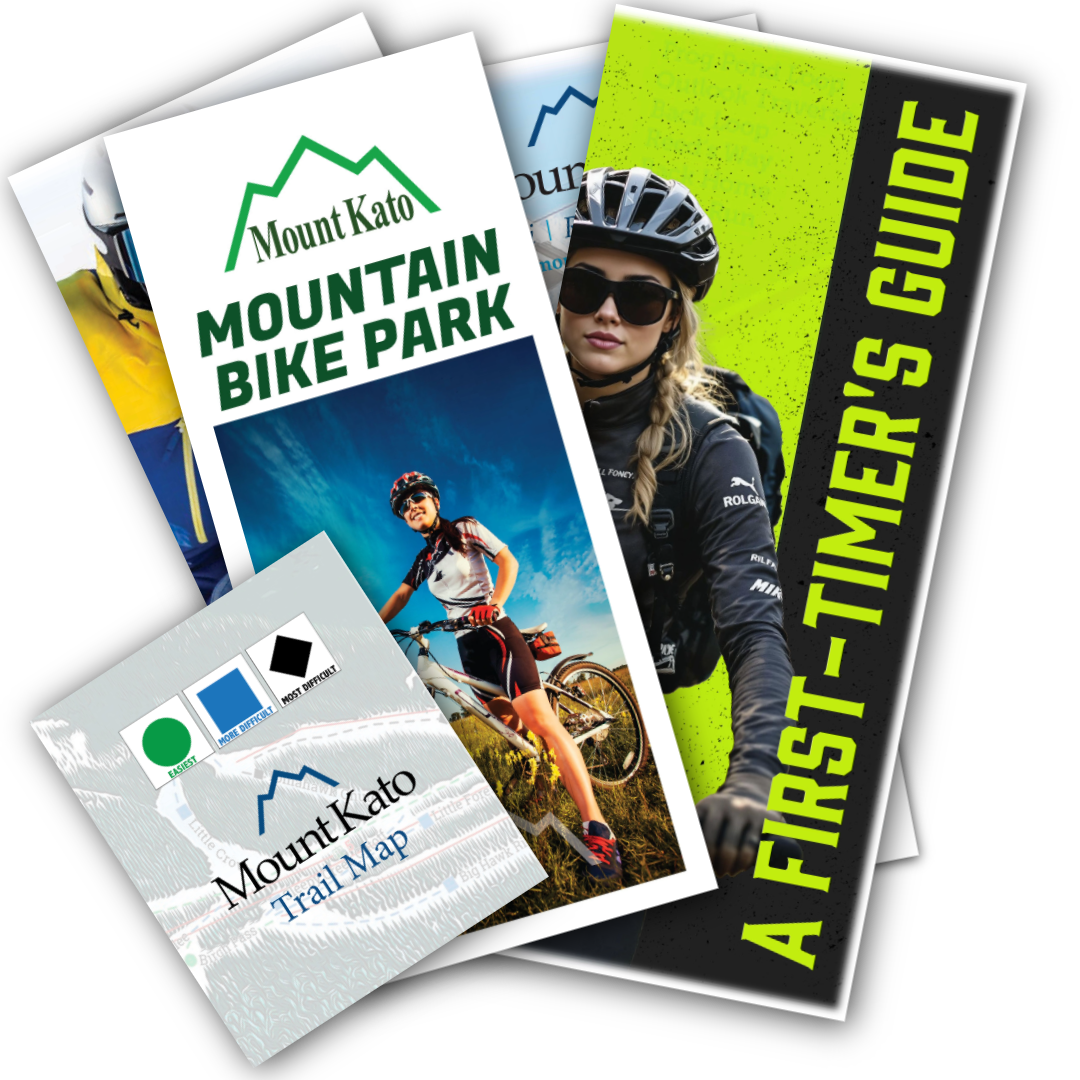
Brochure & Map PDF Downloads
Print them out or keep them on your device